
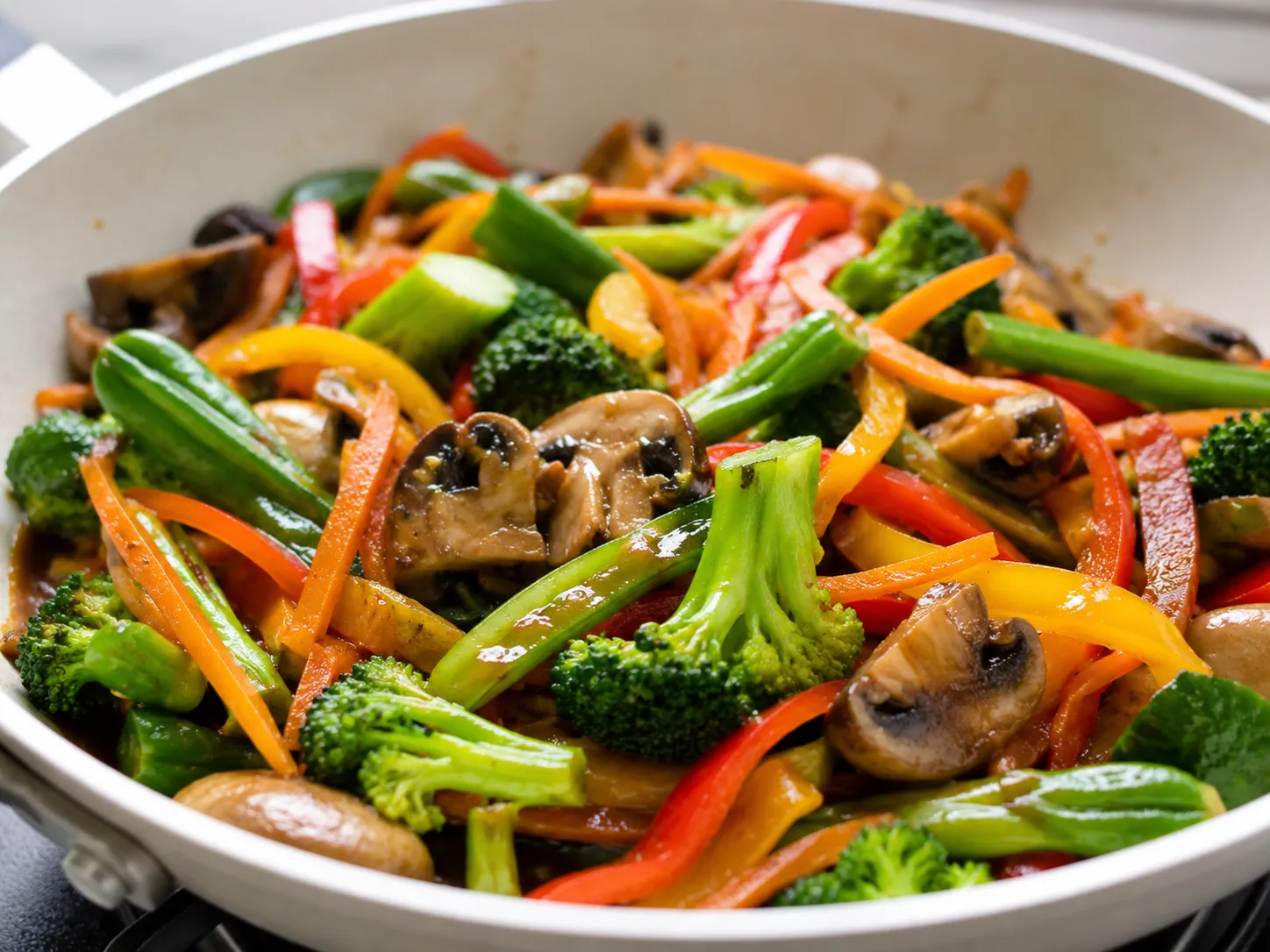
Looking for a quick, healthy, and flavorful dinner that does not require hours in the kitchen? This easy Vegetable Stir-Fry Recipe is a perfect choice. It combines colorful vegetables with a savory homemade stir-fry sauce, creating a satisfying meal that is ready in about 20 minutes.
This vegetable stir-fry is ideal for busy weeknights because it uses simple ingredients and cooks quickly over high heat. The vegetables stay crisp and vibrant while the sauce adds just the right balance of salty, savory, slightly sweet, and tangy flavors.
Serve it with steamed rice, fried rice, or noodles for a complete meal. You can also customize the vegetables based on what you already have in your refrigerator.
Vegetable Stir-Fry Recipe Information
- Servings: 4 people
- Preparation Time: 10 minutes
- Cooking Time: 10 minutes
- Total Time: 20 minutes
- Cuisine: Asian-inspired
- Category: Main Course, Dinner
- Cooking Method: Stir-frying
Why This Recipe Is Good
This vegetable stir-fry is quick, nutritious, colorful, and easy to customize. It is packed with vegetables and made with a simple homemade sauce, making it a convenient alternative to takeout.
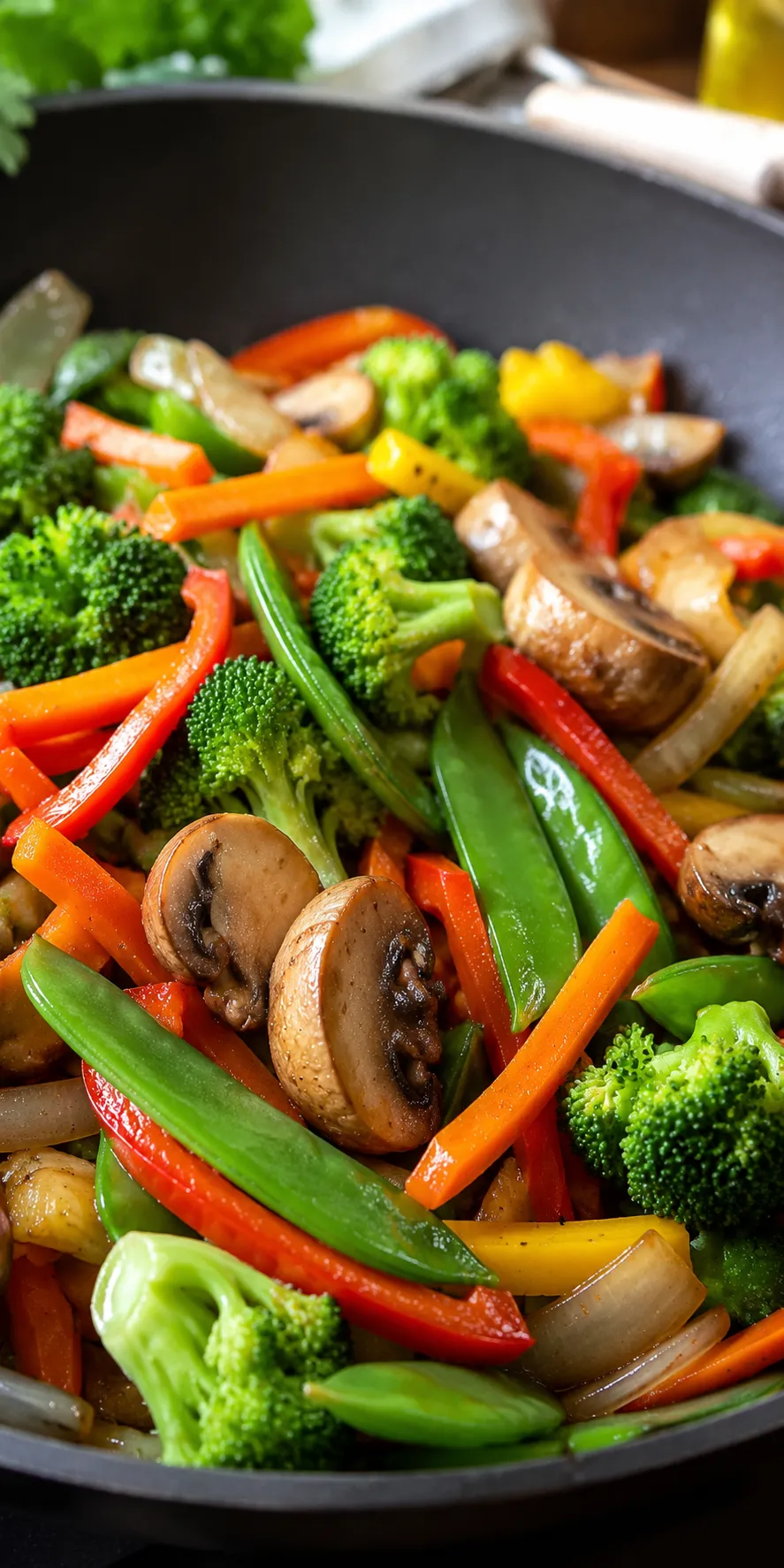
Ingredients
For the Stir-Fry
- 2 tablespoons vegetable oil
- 1 medium carrot, thinly sliced
- 1 small broccoli head, cut into small florets
- 1 red bell pepper, thinly sliced
- 1 yellow bell pepper, thinly sliced
- 1 cup snap peas
- 1 cup sliced mushrooms
- 1 small zucchini, sliced
- 3 cloves garlic, finely minced
- 1 teaspoon fresh ginger, grated
- 3 green onions, sliced
For the Stir-Fry Sauce
- 1/4 cup low-sodium soy sauce
- 2 tablespoons water
- 1 tablespoon honey or maple syrup
- 1 tablespoon rice vinegar
- 1 teaspoon sesame oil
- 1 teaspoon cornstarch
- 1/2 teaspoon red pepper flakes, optional
For Serving
- Cooked white rice, brown rice, or noodles
- Sesame seeds, optional
- Sliced green onions, optional
- Fresh cilantro, optional
Equipment Needed
- Large wok or large skillet
- Sharp chef’s knife
- Cutting board
- Small mixing bowl
- Whisk or spoon
- Wooden spoon or spatula
- Measuring cups and spoons
- Serving bowl or plates
How to Make Vegetable Stir-Fry
Step 1: Prepare the Sauce
Add the soy sauce, water, honey or maple syrup, rice vinegar, sesame oil, cornstarch, and red pepper flakes to a small bowl.
Whisk until the cornstarch is completely dissolved. Set the sauce aside while you prepare the vegetables.
Step 2: Prepare the Vegetables
Wash and dry all the vegetables thoroughly. Slice the carrots, bell peppers, mushrooms, zucchini, and green onions. Cut the broccoli into small florets.
Keeping the vegetables relatively similar in size helps them cook evenly. It is also helpful to have everything chopped before you start cooking because stir-frying happens quickly.
Step 3: Heat the Wok
Place a large wok or skillet over medium-high to high heat. Add the vegetable oil and allow it to heat for a few seconds.
The pan should be hot before the vegetables go in. Proper heat helps the vegetables cook quickly without becoming soft or watery.
Step 4: Cook the Harder Vegetables
Add the carrots and broccoli to the hot pan. Stir-fry for about 2 to 3 minutes.
The goal is to cook them enough to become tender-crisp while keeping some bite. Avoid overcooking them.
Step 5: Add the Remaining Vegetables
Add the bell peppers, snap peas, mushrooms, and zucchini. Continue stir-frying for about 3 to 4 minutes.
Keep the vegetables moving with a wooden spoon or spatula. This helps them cook evenly and prevents them from sticking to the pan.
Step 6: Add Garlic and Ginger
Add the minced garlic and grated ginger. Stir-fry for about 30 seconds to 1 minute, just until fragrant.
Be careful not to burn the garlic because it can quickly become bitter.
Step 7: Add the Sauce
Give the prepared sauce another quick stir because the cornstarch may have settled at the bottom of the bowl.
Pour the sauce into the wok. Toss everything together and cook for about 1 to 2 minutes, or until the sauce thickens slightly and coats the vegetables.
Step 8: Finish and Serve
Turn off the heat and stir in the green onions.
Taste the stir-fry and adjust the seasoning if needed. Add a little more soy sauce for saltiness, rice vinegar for brightness, or red pepper flakes for extra heat.
Serve immediately over steamed rice or noodles. Sprinkle with sesame seeds and additional green onions if desired.
Check More Recipes –
- Easy One-Pan Lemon Garlic Chicken Recipe for a Flavorful Dinner
- Slow-Cooker BBQ Pulled Chicken Recipe for Tender, Juicy Chicken
- Chicken Pot Pie Recipe with a Golden, Flaky Crust
- Chocolate Chip Cookies Recipe for Soft, Chewy Cookies
- Cinnamon Sugar Donut Holes Recipe for a Sweet Homemade Treat
- No-Bake Peanut Butter Chocolate Bars Recipe
- Peach Cinnamon French Toast Bake Recipe for a Cozy Breakfast
- No-Bake Cheesecake Cups Recipe for a Simple Dessert
- Blueberry Lemon Overnight Oats Recipe for a Fresh, Healthy Breakfast
Tips for the Best Vegetable Stir-Fry
Use High Heat
Stir-frying works best over high heat. A hot pan helps the vegetables cook quickly and develop a lightly roasted flavor without becoming mushy.
Do Not Overcrowd the Pan
Adding too many vegetables at once can lower the temperature of the pan and cause the vegetables to steam instead of stir-fry. Use a large wok or skillet, and cook in batches when necessary.
Cut Vegetables Evenly
Try to slice vegetables into similar-sized pieces. Smaller pieces cook faster, while larger pieces take longer. Consistent cuts make the final dish more evenly cooked.
Add Vegetables According to Cooking Time
Hard vegetables such as carrots and broccoli should go into the pan first. Softer ingredients such as zucchini, mushrooms, and bell peppers can be added later.
Keep the Vegetables Crisp
The best vegetable stir-fry has a tender-crisp texture. Avoid cooking the vegetables for too long, especially after adding the sauce.
Prepare Everything Before Cooking
Once the pan is hot, the recipe moves quickly. Have the sauce and all chopped vegetables ready before you begin.
Vegetable Variations
One of the best things about this recipe is how flexible it is. You can easily use whatever vegetables you have available.
Try adding:
- Baby corn
- Cabbage
- Bok choy
- Green beans
- Snow peas
- Asparagus
- Cauliflower
- Spinach
- Water chestnuts
- Bean sprouts
You can also replace some of the vegetables with frozen stir-fry vegetables. Thaw them first and drain off excess water for better results.
Protein Additions
This recipe works well on its own, but you can add protein to make it more filling.
Good options include:
- Tofu
- Tempeh
- Chicken
- Shrimp
- Beef
- Edamame
For tofu, press it well before cooking and pan-fry it until golden before adding it to the finished stir-fry.
What to Serve With Vegetable Stir-Fry
Vegetable stir-fry can be served with a variety of side dishes and bases. The easiest options are steamed jasmine rice, brown rice, or noodles.
For a lighter meal, serve the vegetables on their own or alongside cauliflower rice. You can also spoon the stir-fry into lettuce cups for a fresh and crunchy variation.
How to Store Leftovers
Allow the stir-fry to cool slightly before transferring it to an airtight container.
Store leftovers in the refrigerator for up to 3 to 4 days. For the best texture, reheat the stir-fry quickly in a skillet or wok over medium-high heat.
Microwaving also works, although the vegetables may become softer.
Can You Freeze Vegetable Stir-Fry?
Yes, vegetable stir-fry can be frozen, although the texture of some vegetables may become softer after thawing.
For the best results, let the stir-fry cool completely before placing it in a freezer-safe container. Freeze for up to 2 months.
Thaw it in the refrigerator overnight and reheat it in a hot skillet. If possible, slightly undercook the vegetables before freezing so they retain more texture when reheated.
Common Mistakes to Avoid
One common mistake is adding too much sauce. Too much liquid can make the vegetables soggy and can overpower their natural flavor.
Another mistake is cooking over low heat. Stir-frying requires a hot pan to achieve the right texture.
It is also important not to chop the vegetables too far in advance if they are likely to become wet. Pat washed vegetables dry before cooking so excess moisture does not accumulate in the pan.
Nutrition Information
The following nutrition values are approximate and will vary depending on the exact ingredients and serving sizes. The estimate is for the vegetable stir-fry without rice or noodles.
| Nutrient | Approximate Amount Per Serving |
|---|---|
| Calories | 190 kcal |
| Protein | 5 g |
| Carbohydrates | 21 g |
| Fat | 10 g |
| Fiber | 6 g |
| Sugar | 10 g |
| Sodium | 700 mg |
| Calcium | 65 mg |
| Iron | 1.5 mg |
Frequently Asked Questions
What vegetables are best for stir-fry?
Broccoli, bell peppers, carrots, mushrooms, snap peas, zucchini, cabbage, and green beans are excellent choices. Use a combination of firm and soft vegetables for a variety of textures.
Can I make vegetable stir-fry without soy sauce?
Yes. You can use coconut aminos as an alternative. Tamari is also a good option, especially for a gluten-free version, provided the other ingredients are gluten-free as well.
How do I keep stir-fry vegetables crisp?
Cook them over high heat, avoid overcrowding the pan, and do not overcook them. Adding the vegetables in stages also helps maintain their texture.
Can I use frozen vegetables?
Yes. Frozen stir-fry vegetables can save time. For better results, thaw and drain them before cooking so they do not add too much water to the pan.
Is vegetable stir-fry healthy?
Vegetable stir-fry can be a nutritious meal because it contains a variety of vegetables and can be prepared with a controlled amount of oil and sauce. The overall nutrition depends on the ingredients and portion sizes.
Can I make this recipe gluten-free?
Yes. Use gluten-free tamari or certified gluten-free soy sauce, and check the labels of the other sauce ingredients to make sure they meet your dietary requirements.
Can I make this recipe vegan?
Yes. Use maple syrup instead of honey in the sauce. The remaining ingredients in this recipe are naturally suitable for a vegan version when using vegan-certified ingredients as needed.
Why does my stir-fry turn watery?
A watery stir-fry usually happens because the pan is not hot enough, the pan is overcrowded, or the vegetables contain too much moisture. Cook in smaller batches and make sure the pan is properly heated.
Can I prepare the vegetables ahead of time?
Yes. You can chop and refrigerate the vegetables in airtight containers for up to a day before cooking. Keeping them dry will help them stir-fry more effectively.
What can I use instead of honey?
Maple syrup or a small amount of brown sugar works well as a substitute. You can also reduce the sweetener if you prefer a more savory sauce.
Final Thoughts
This Vegetable Stir-Fry Recipe is an easy way to get a flavorful homemade dinner on the table without spending a lot of time in the kitchen. The combination of crisp vegetables, aromatic garlic and ginger, and a rich homemade sauce makes it satisfying enough for a main meal.
The recipe is also highly customizable, so you can switch up the vegetables, add your favorite protein, and adjust the sauce to suit your taste. Once you have the basic method down, it becomes an easy go-to meal for busy weeknights.
Recommended By BeautifulKitchenguide's Team
The Complete 28-Day Keto Meal Plan Check Keto Cookbook
The Ultimate 100 High-Protein Recipes Check High Protein Cookbook
The Ultimate Vegan Cookbook - 70 Easy Recipes Check Vegan Cookbook